From Producer to Energy and Raw Materials Partner
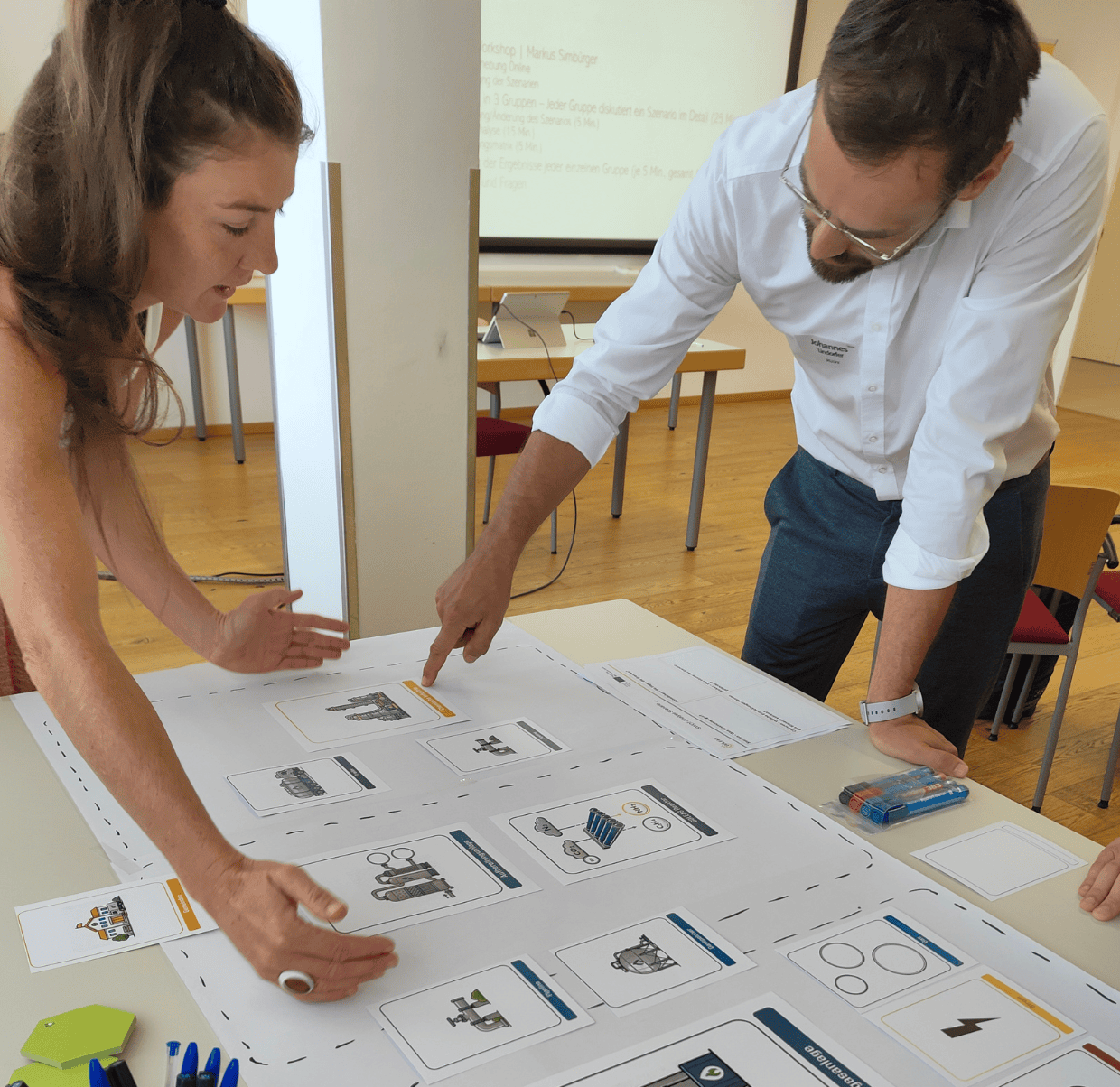
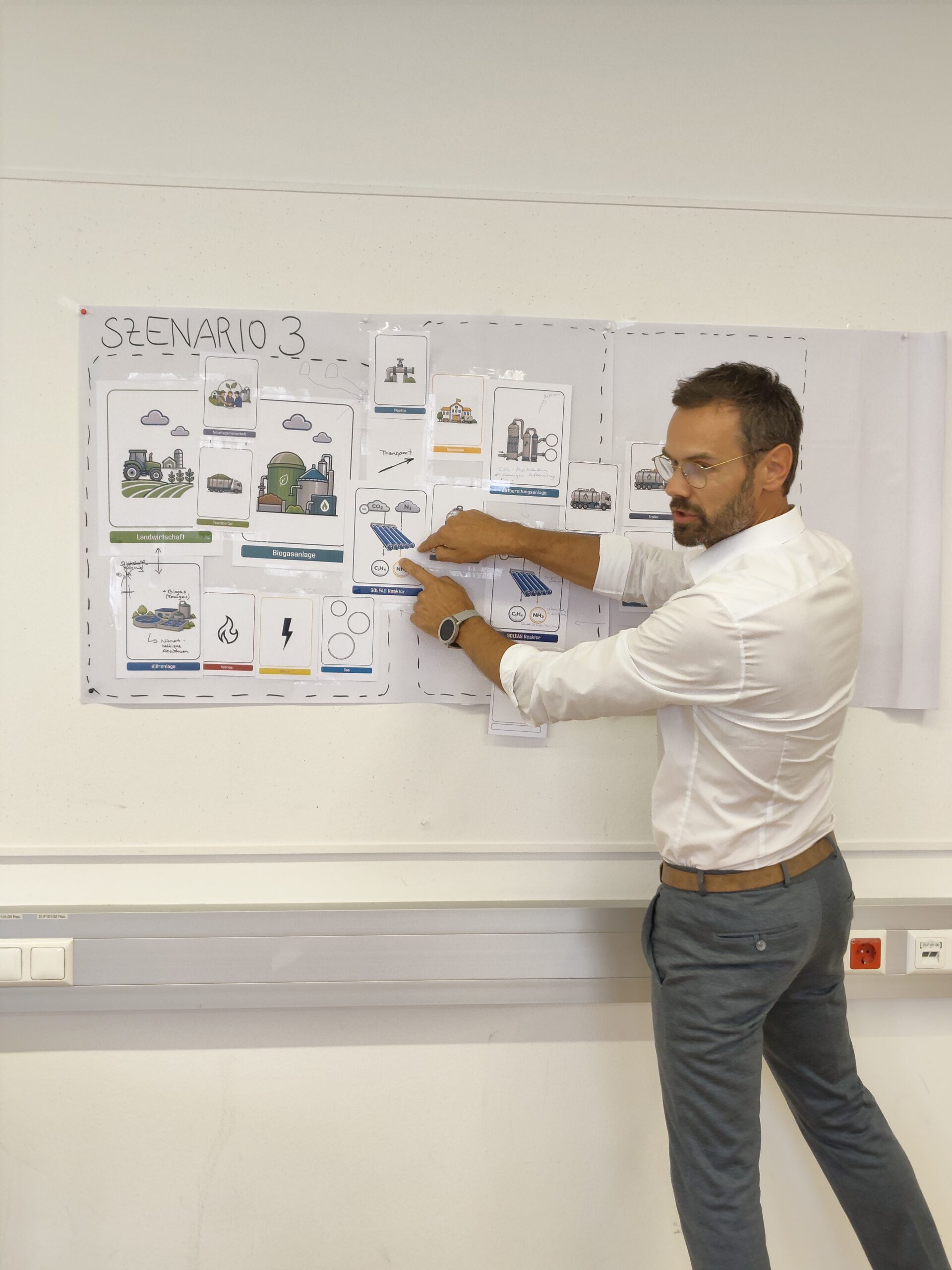
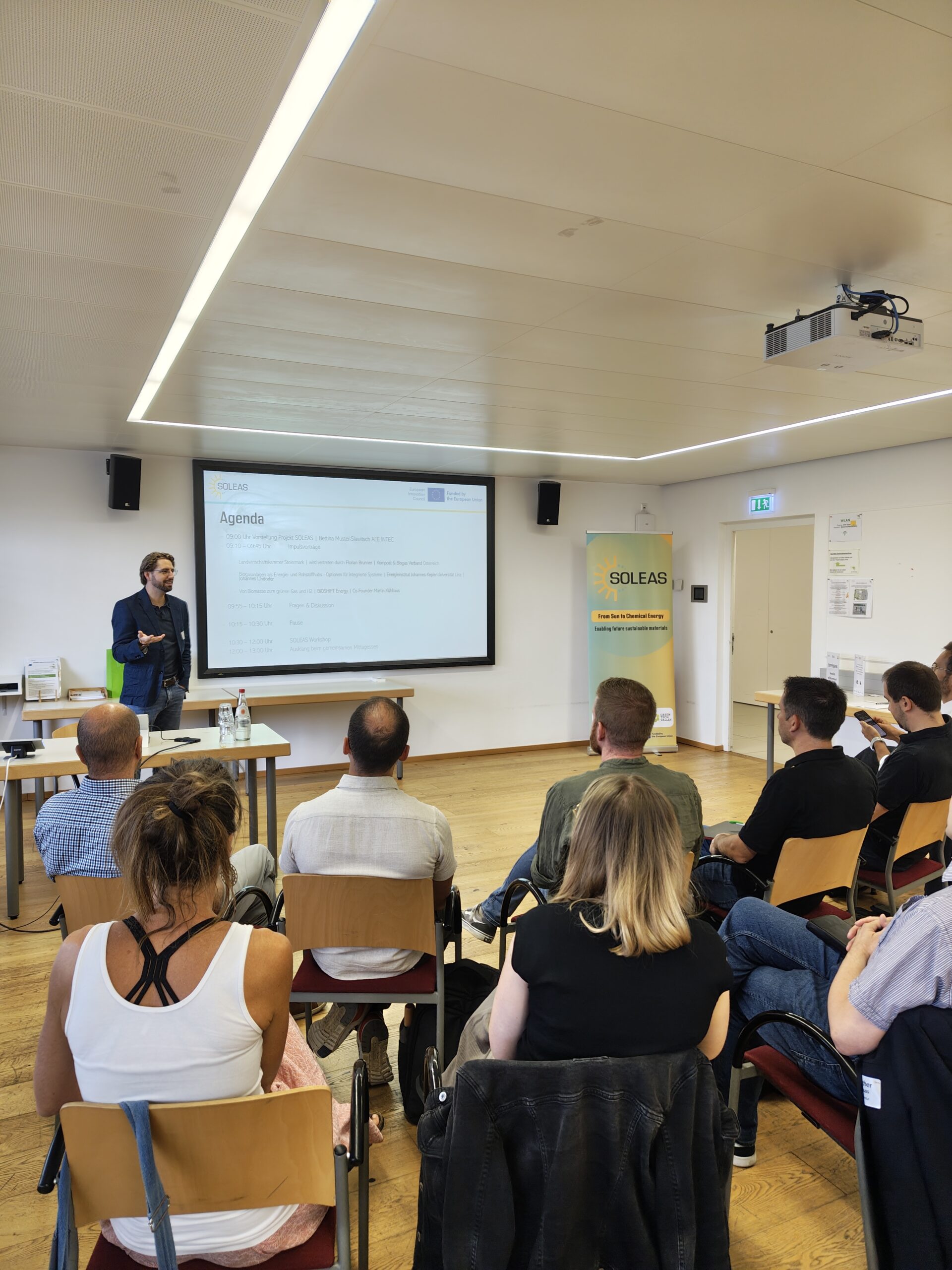
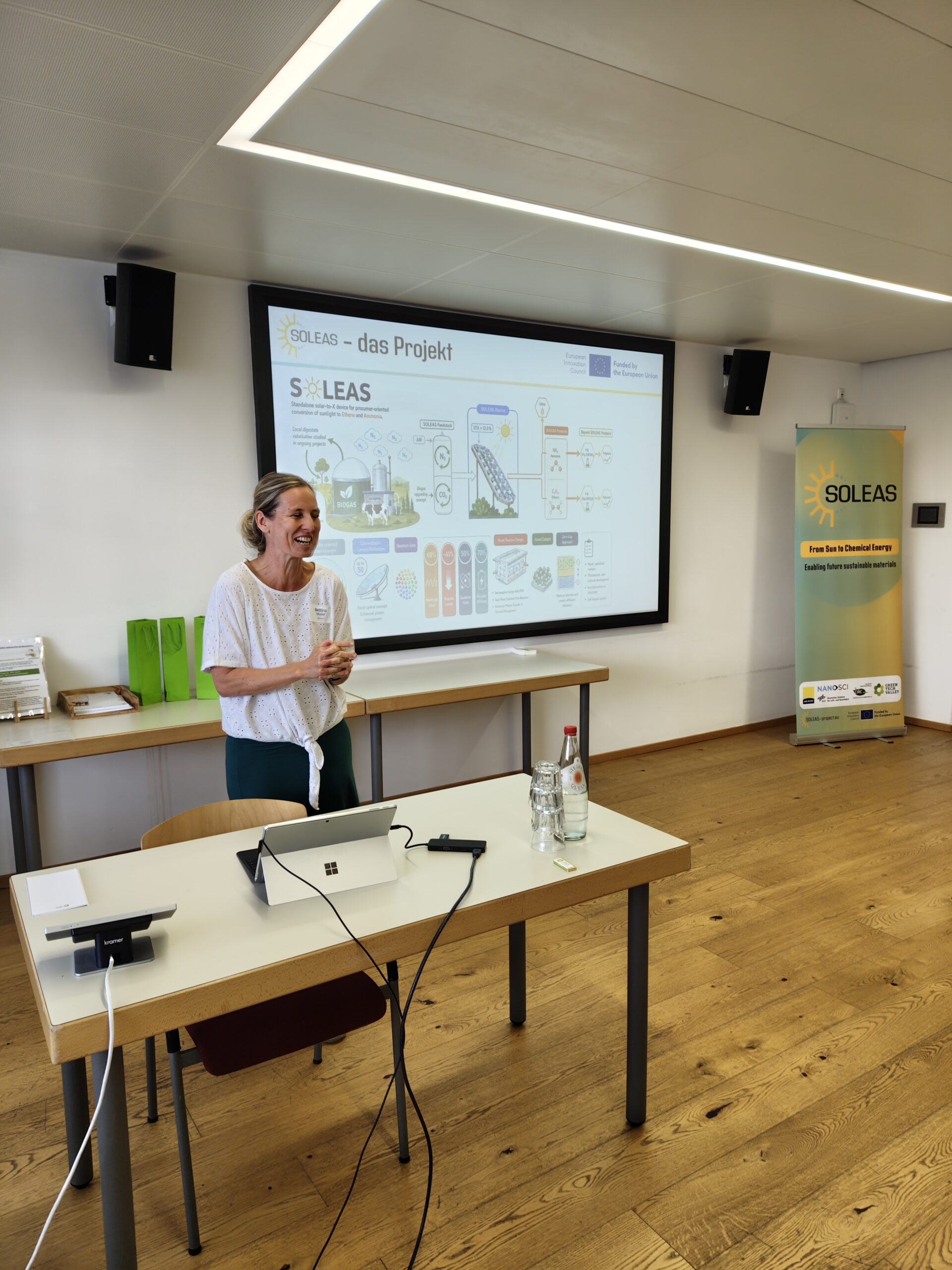
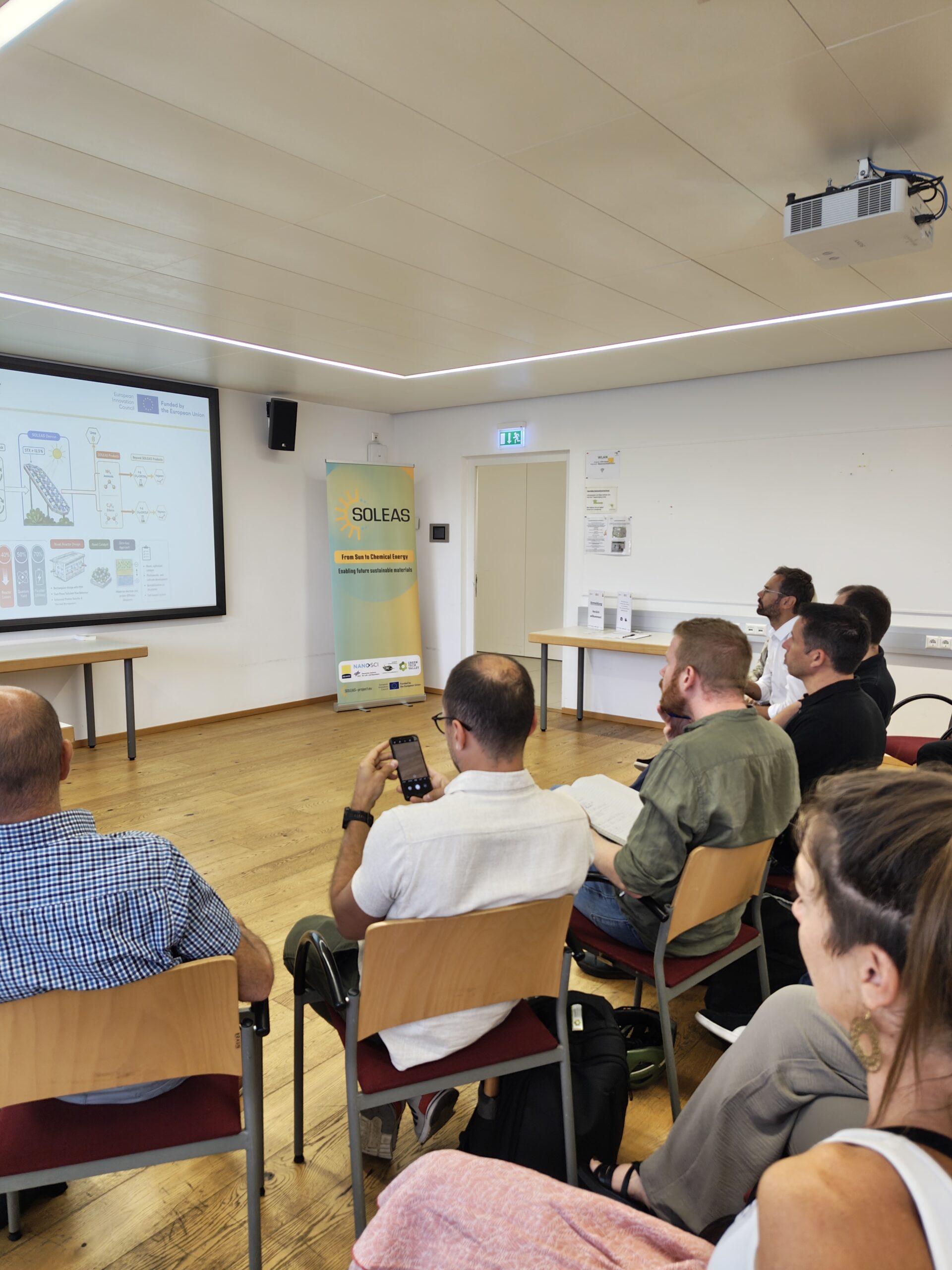
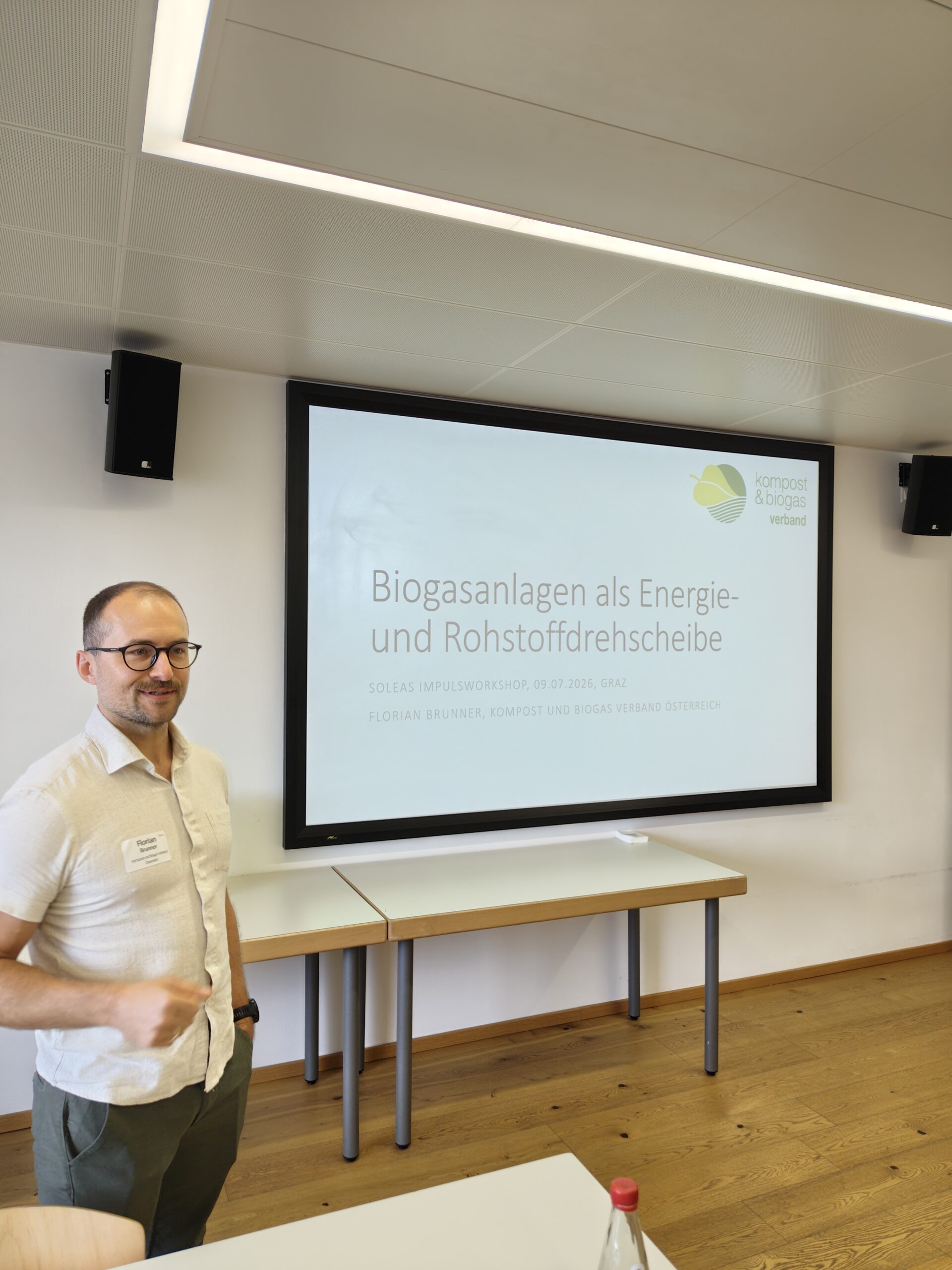
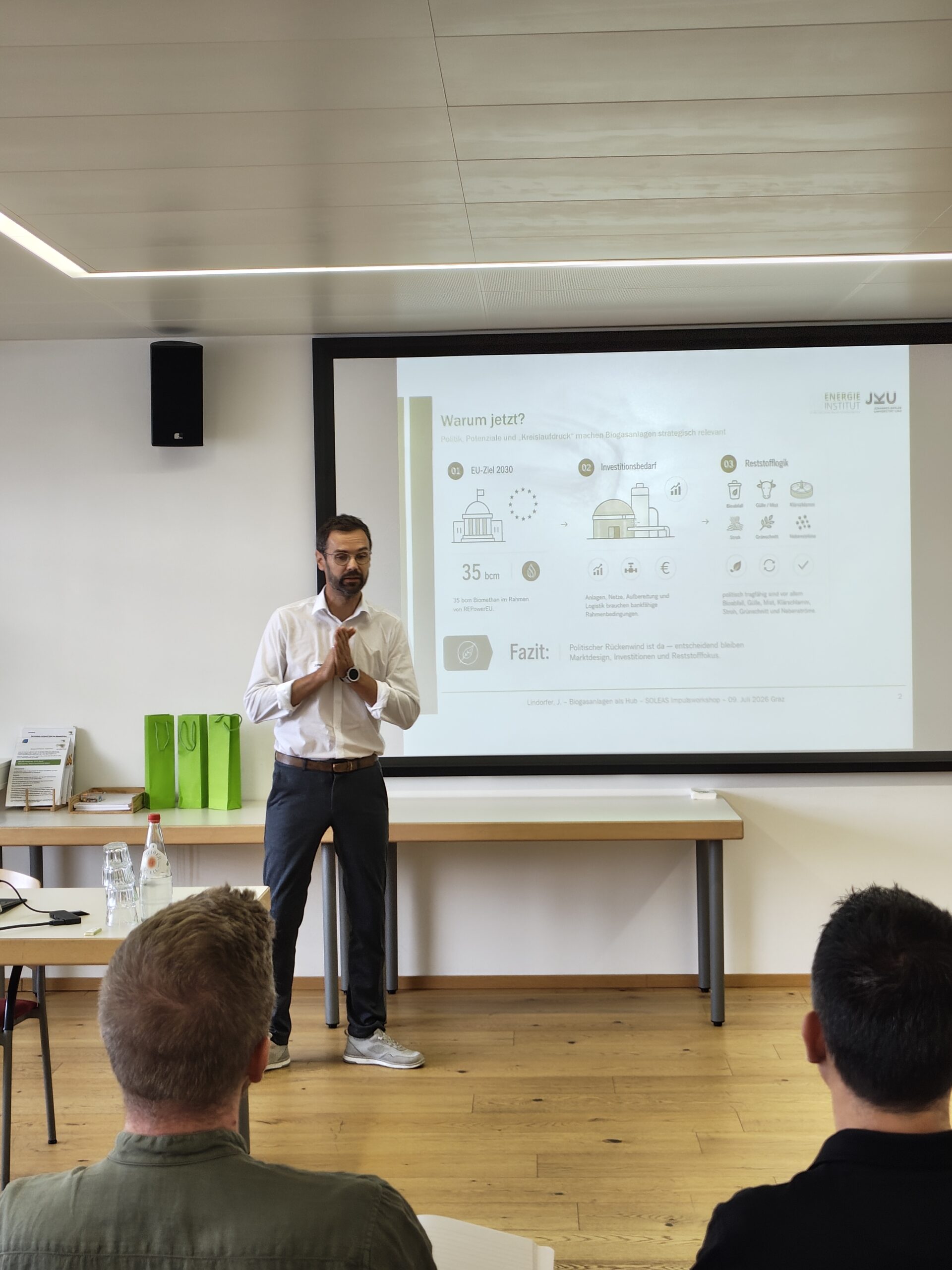
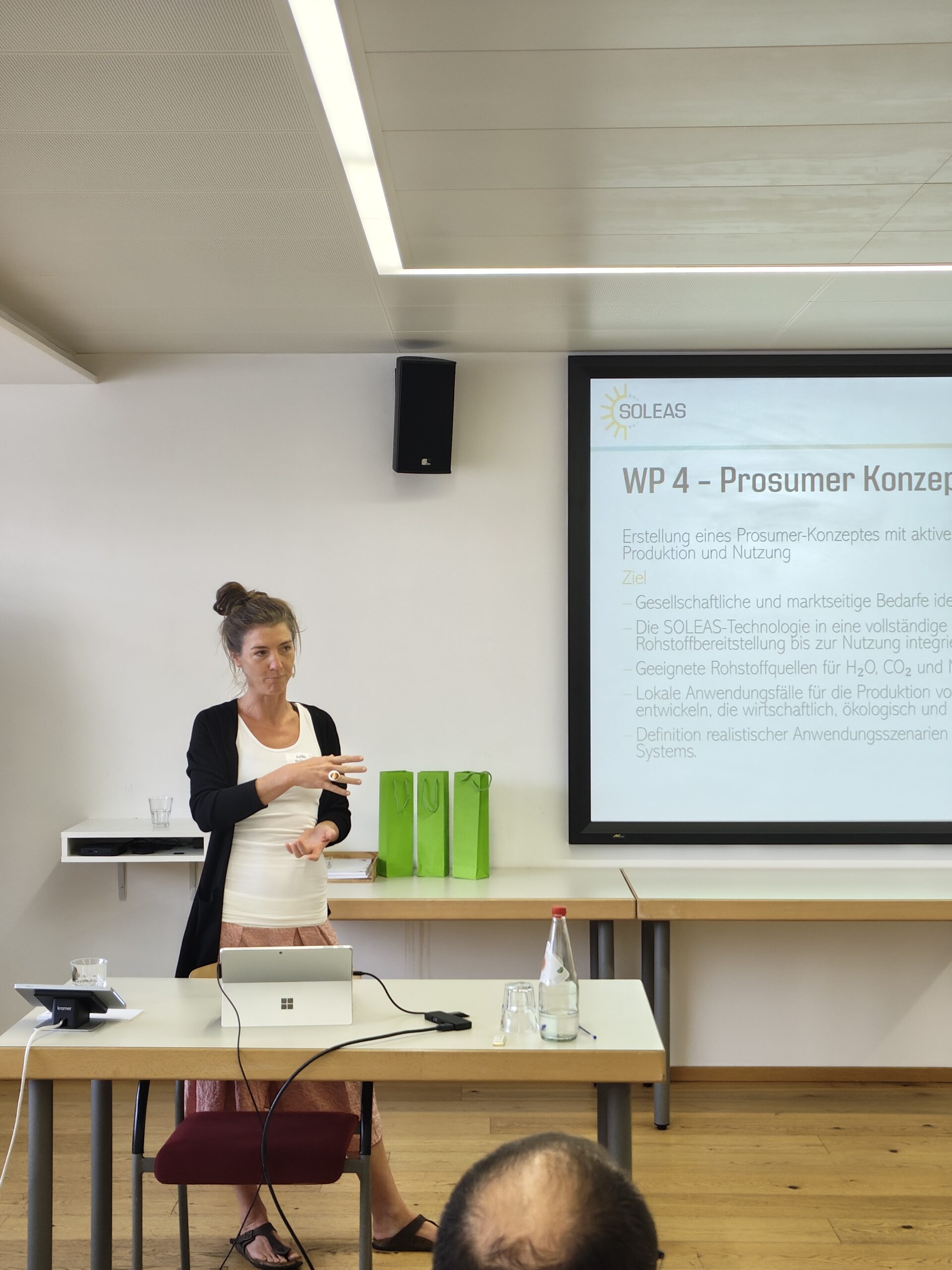
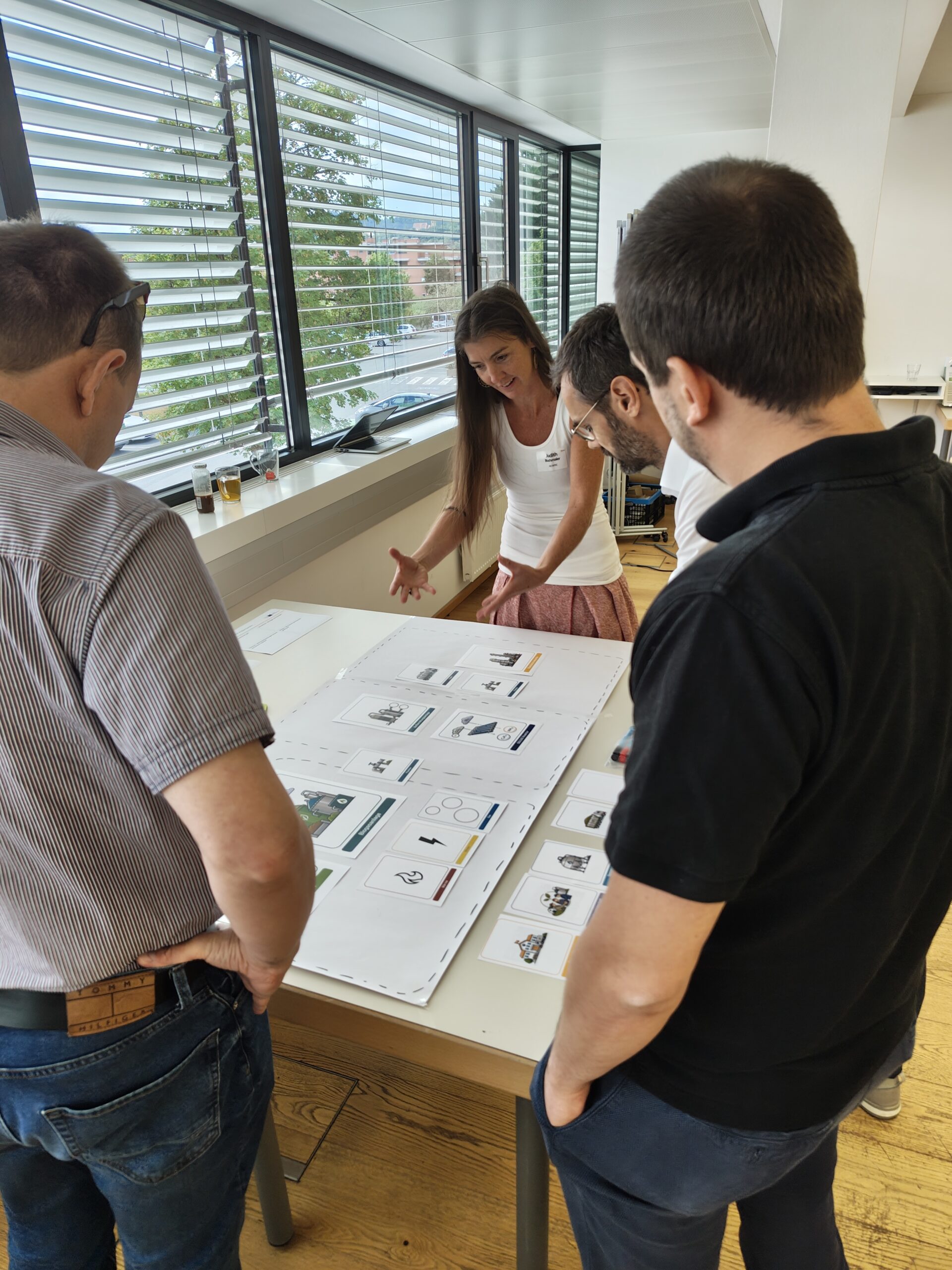
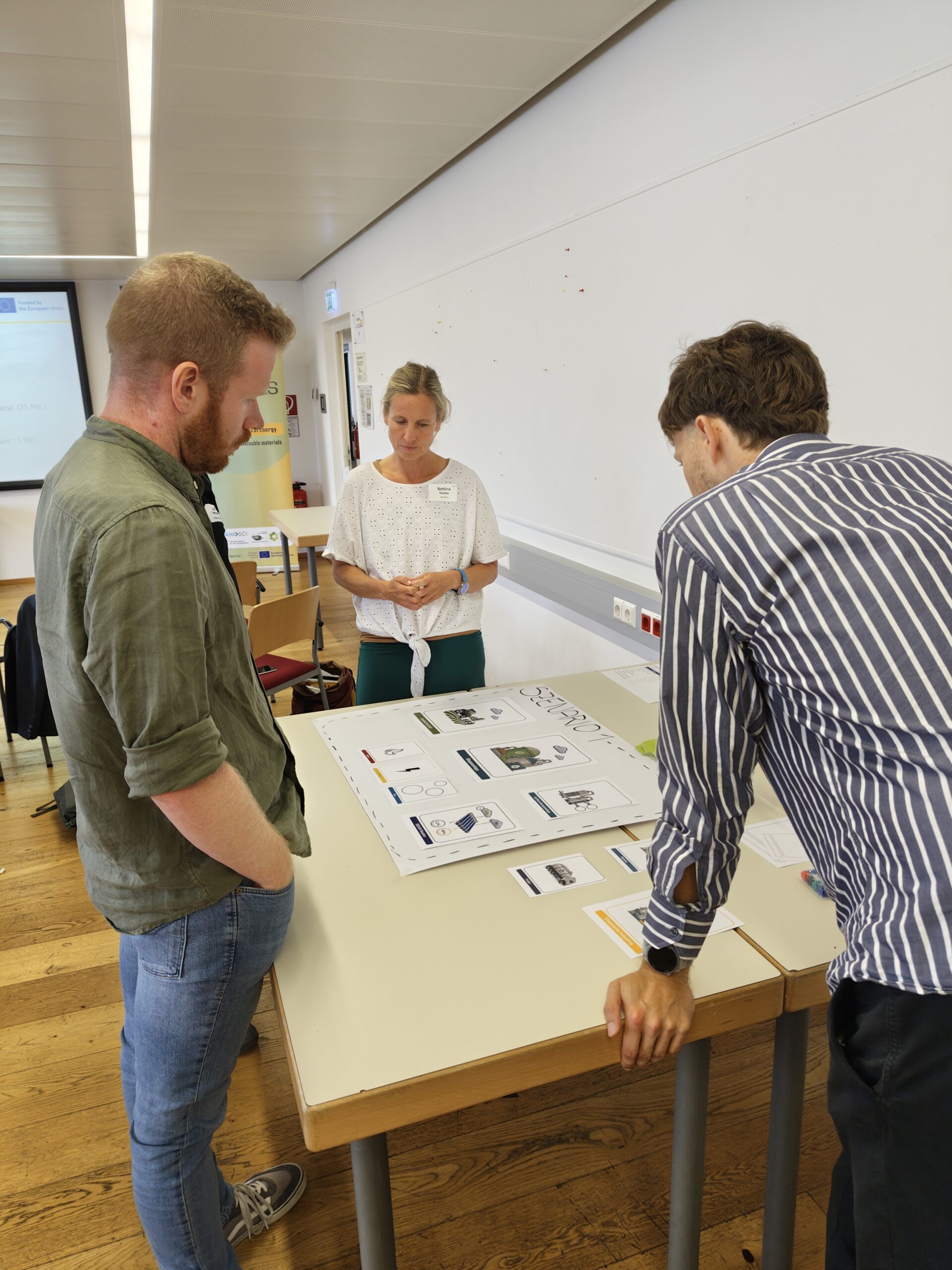
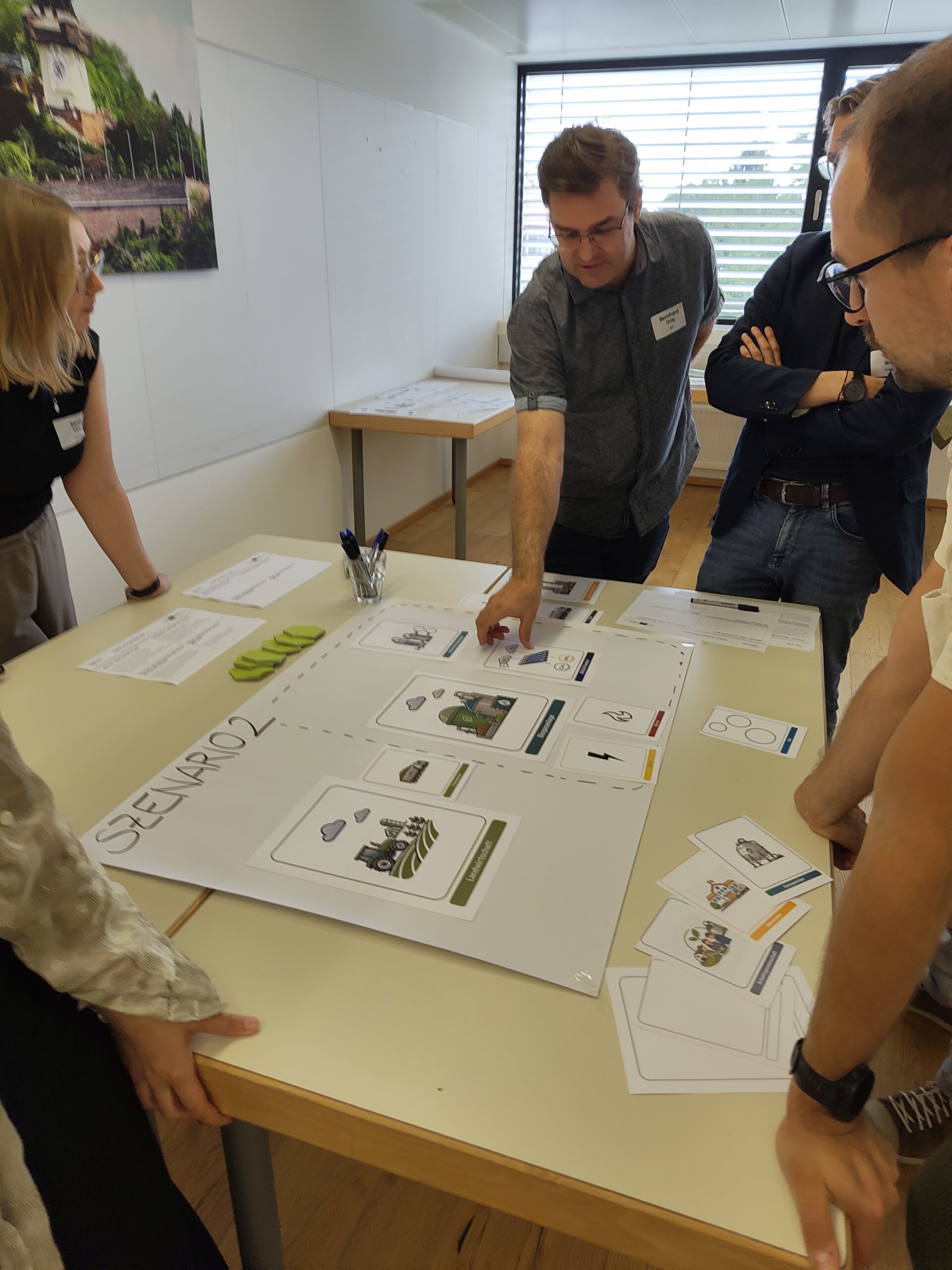
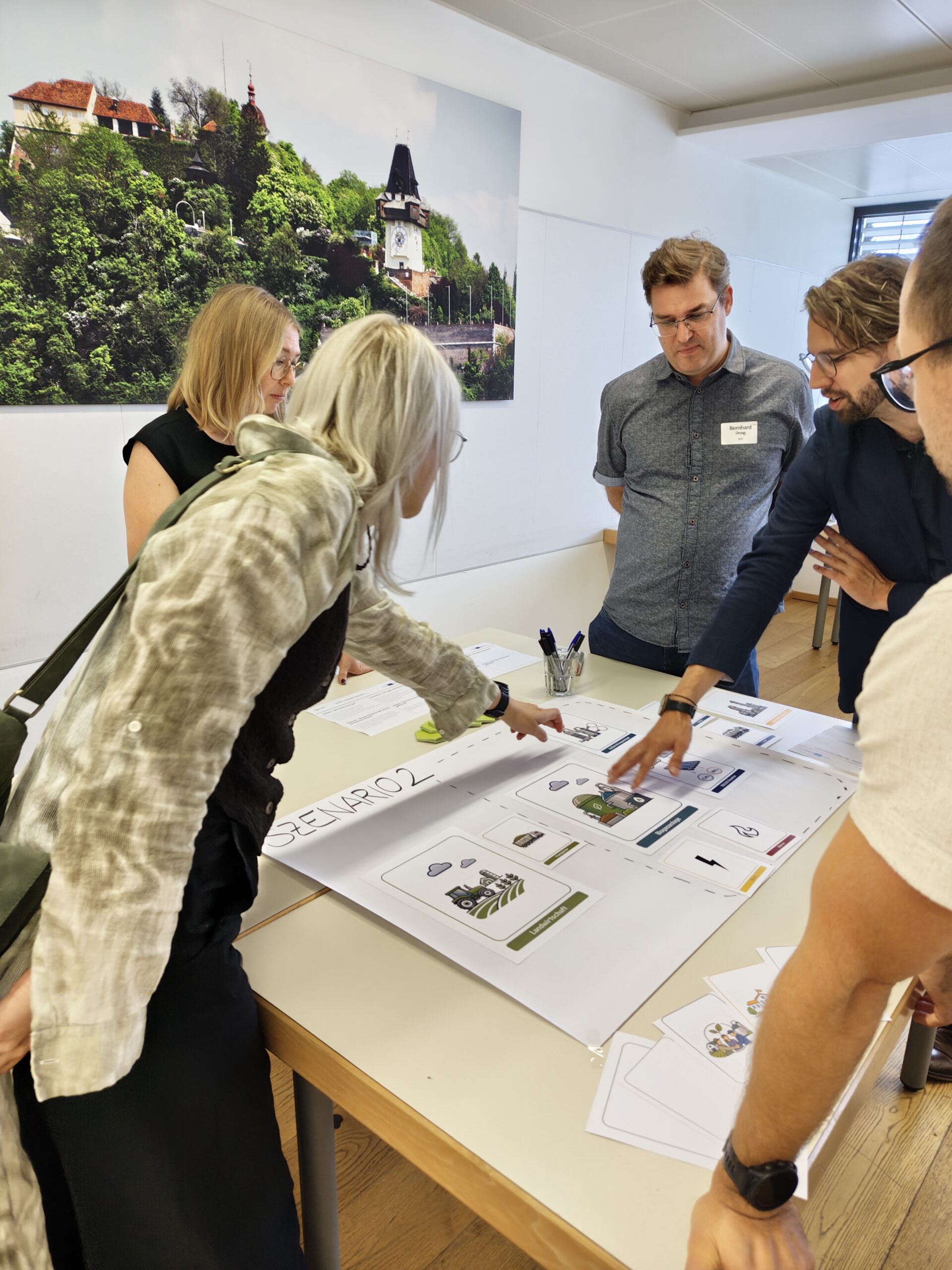
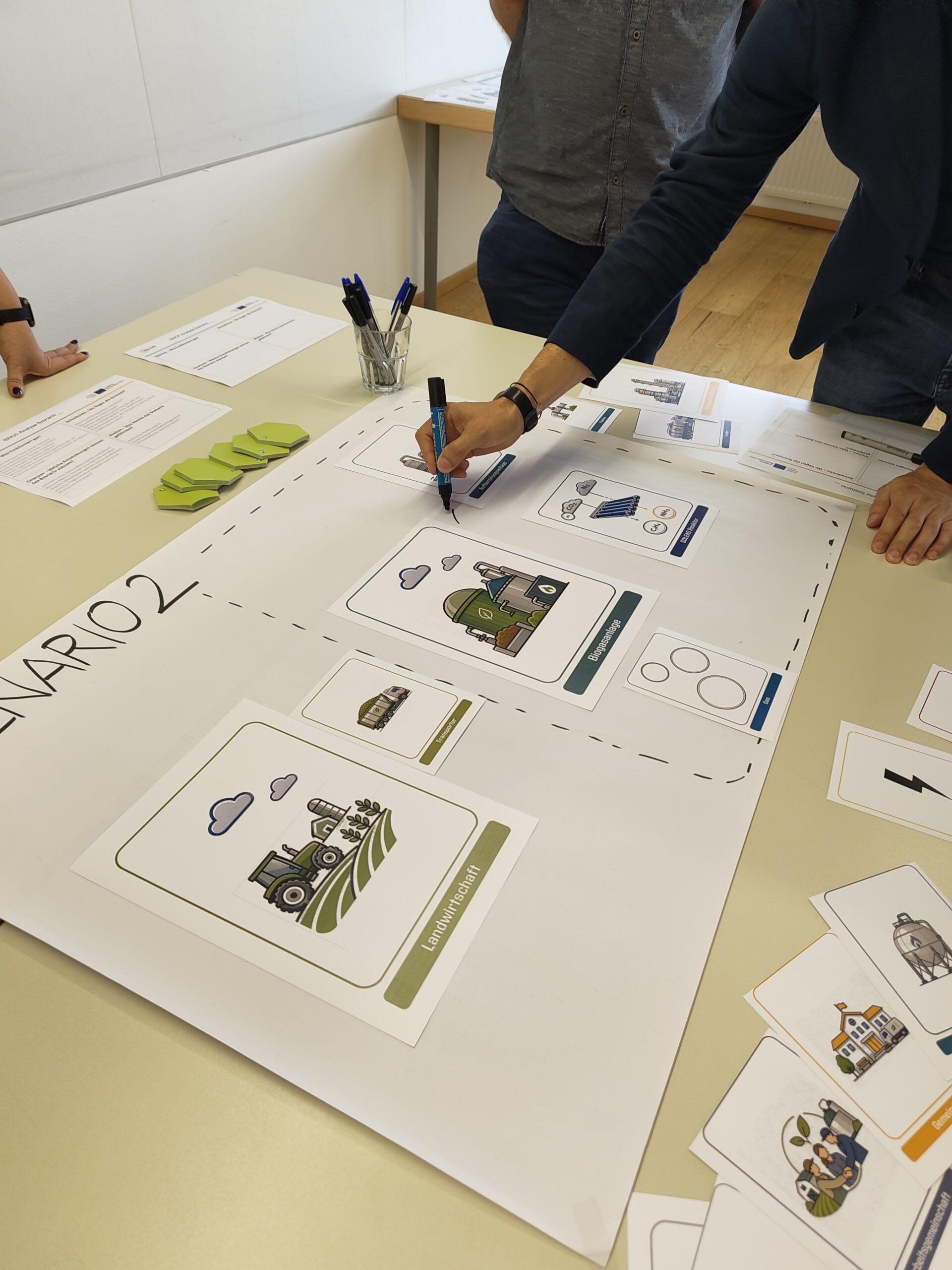
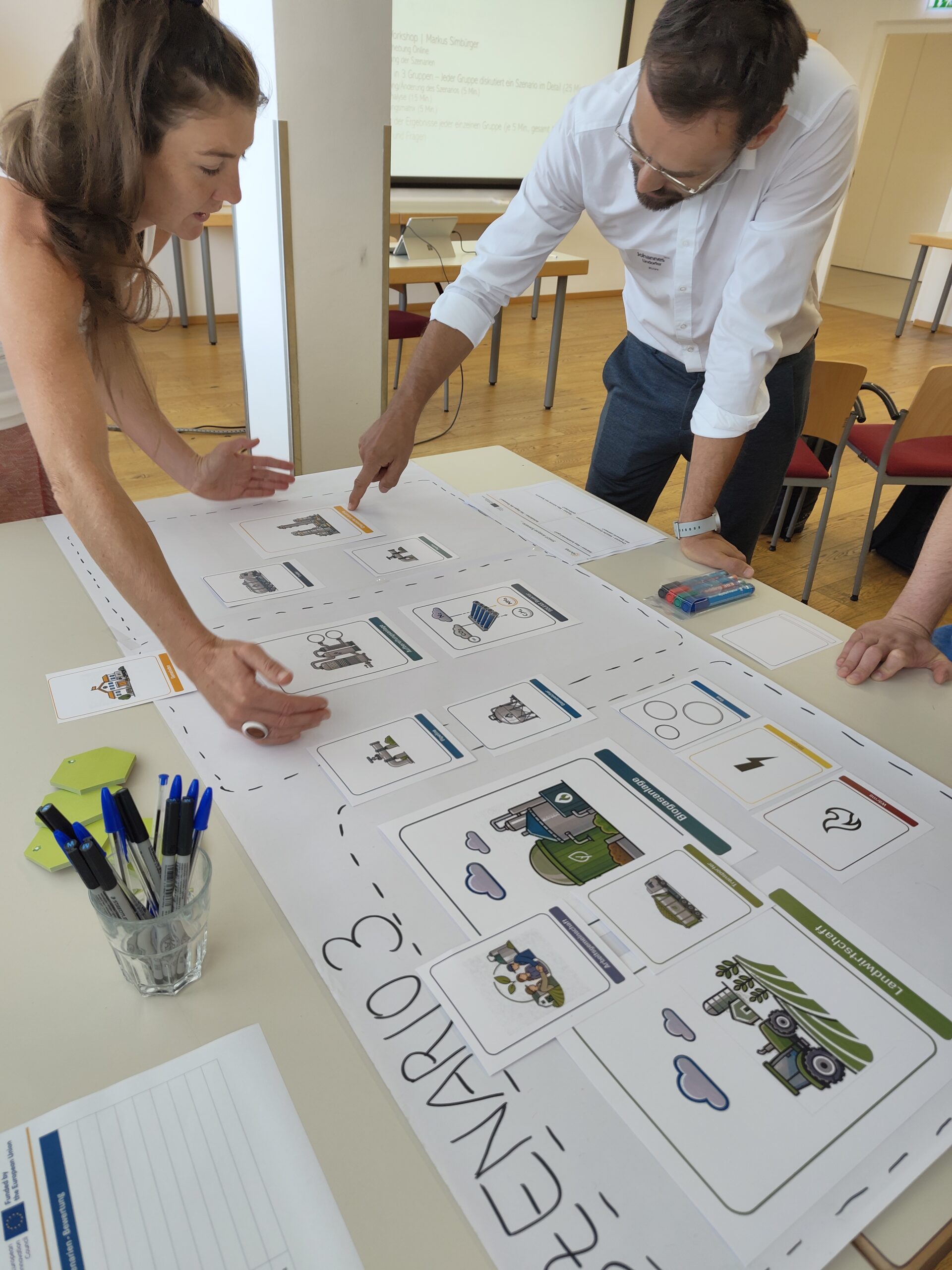
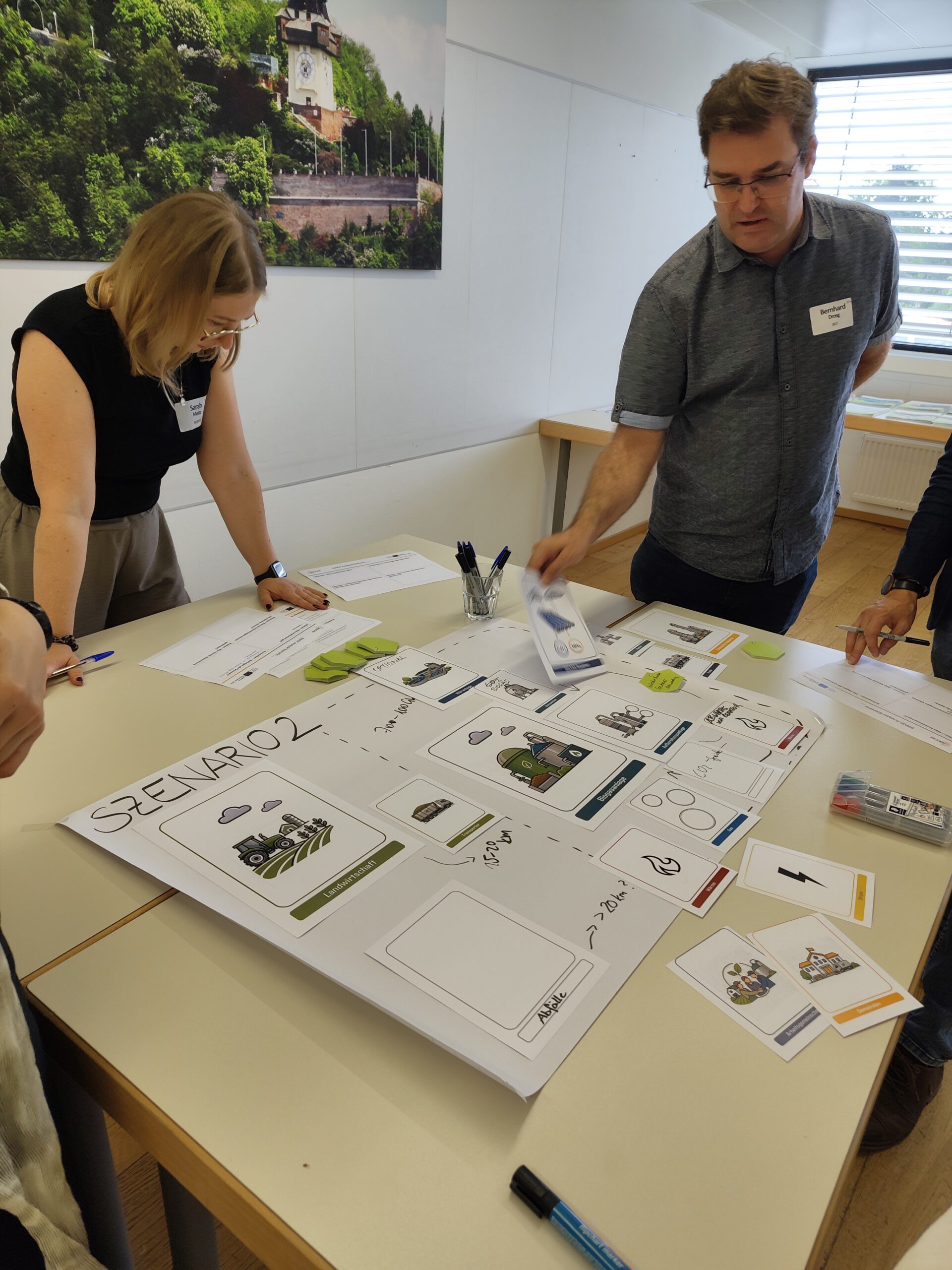
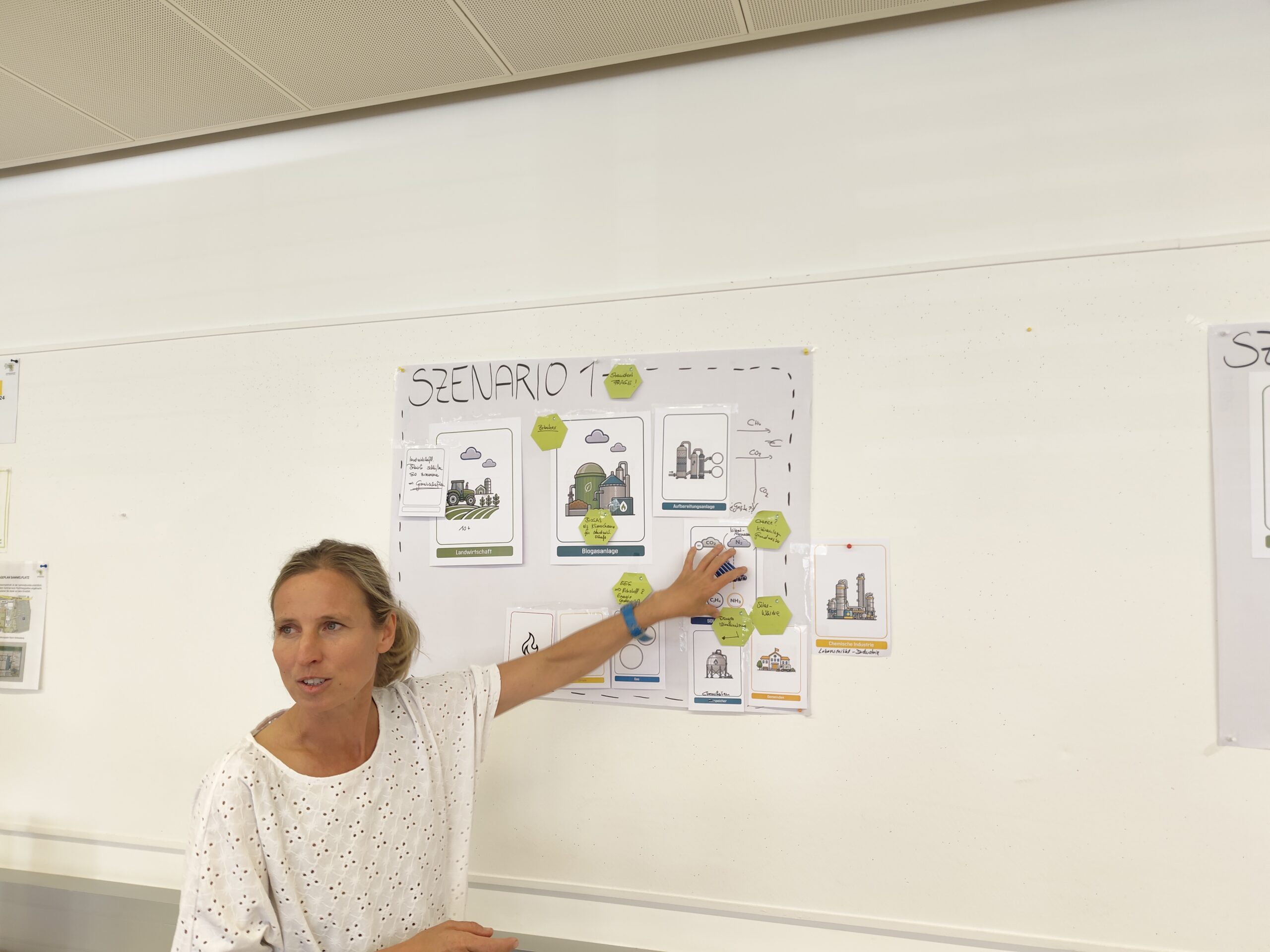
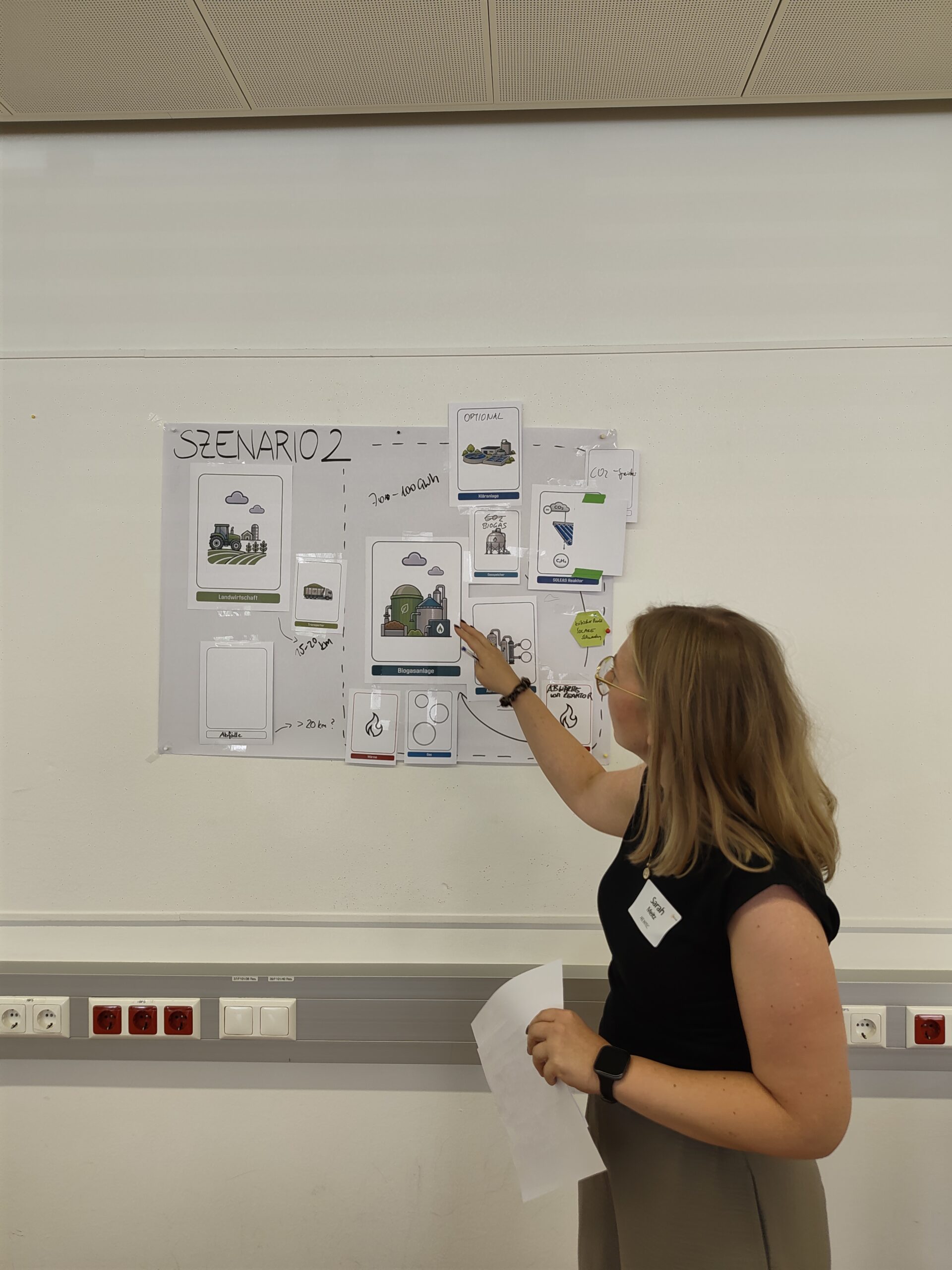
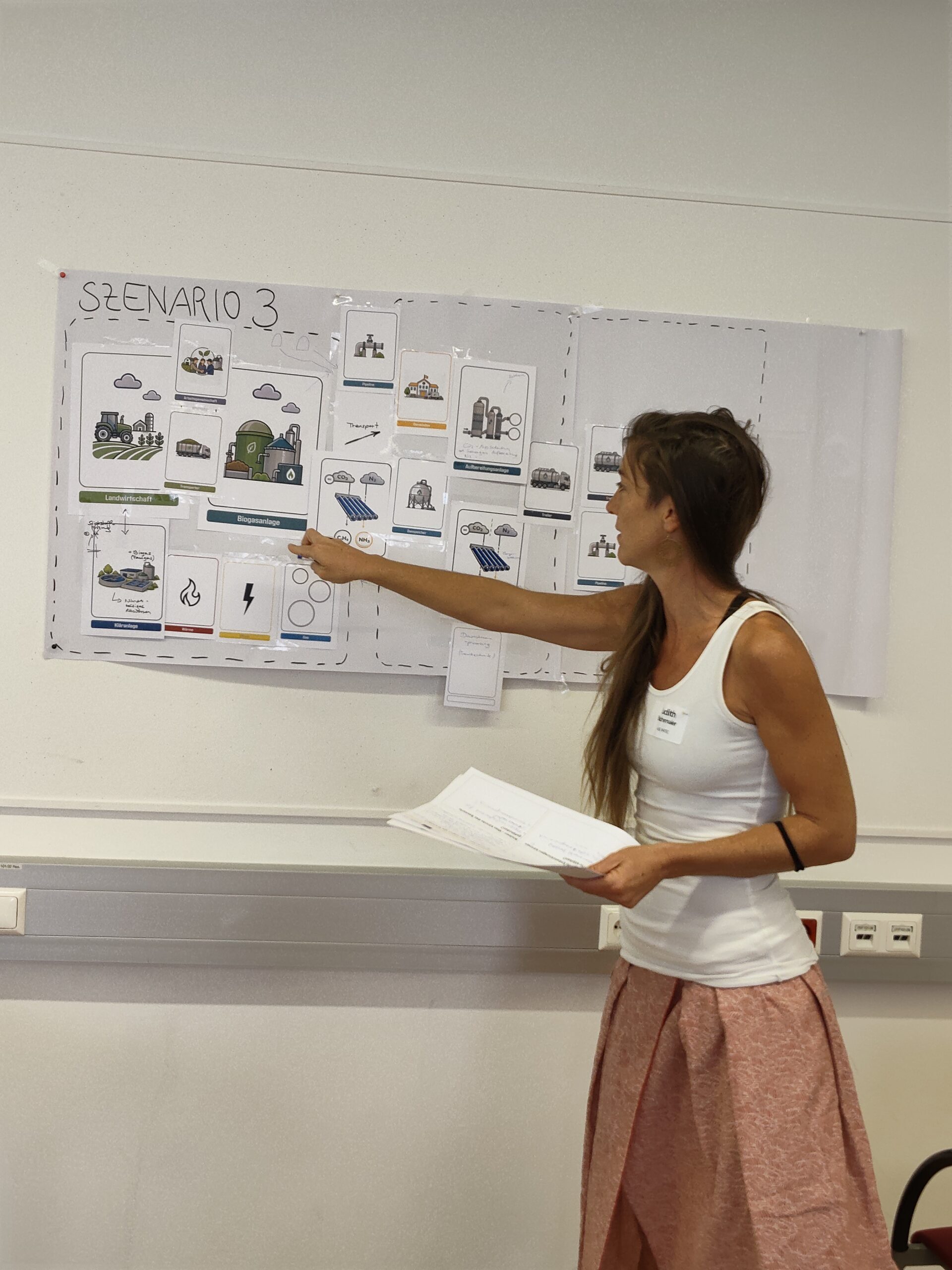
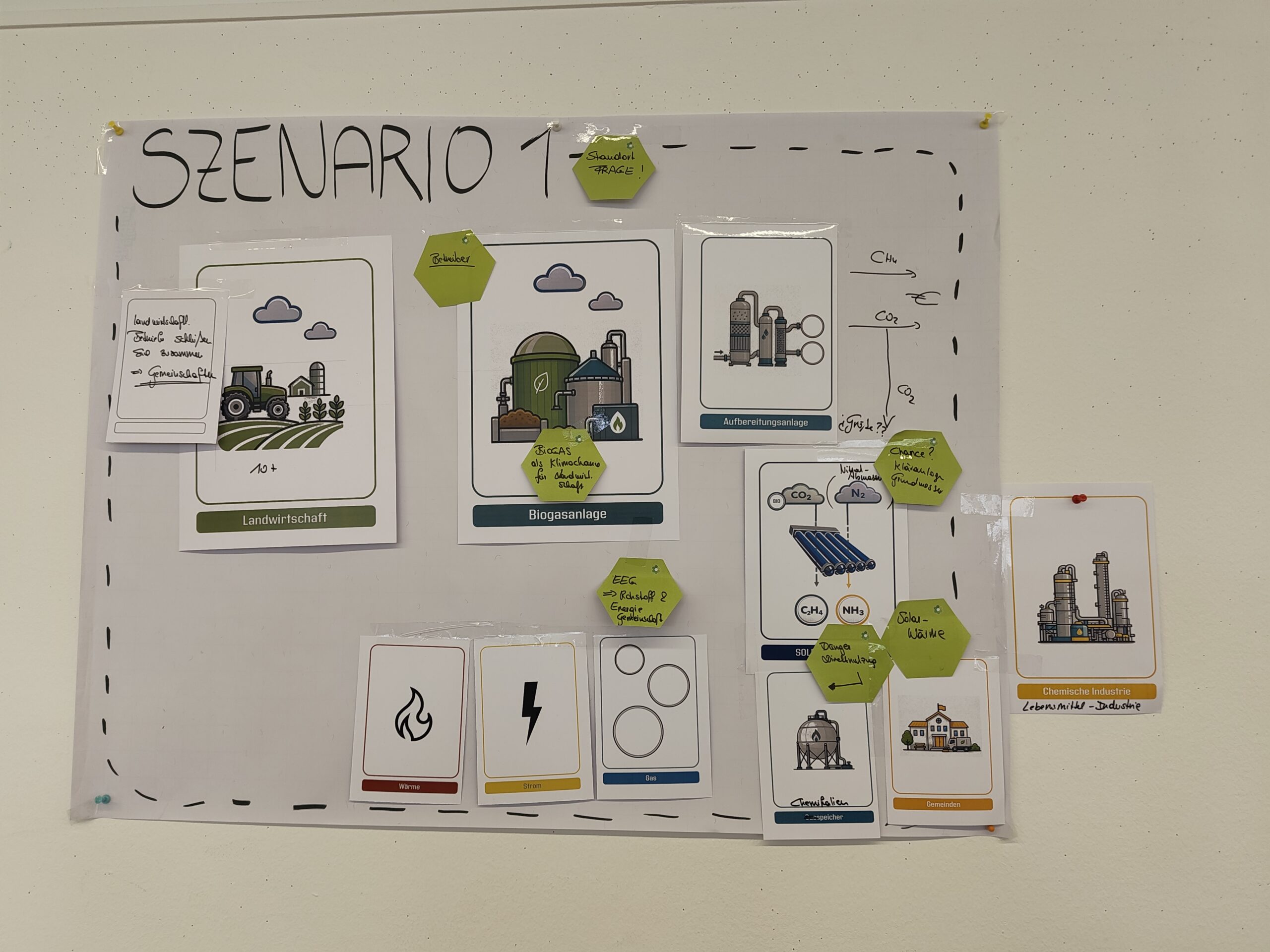
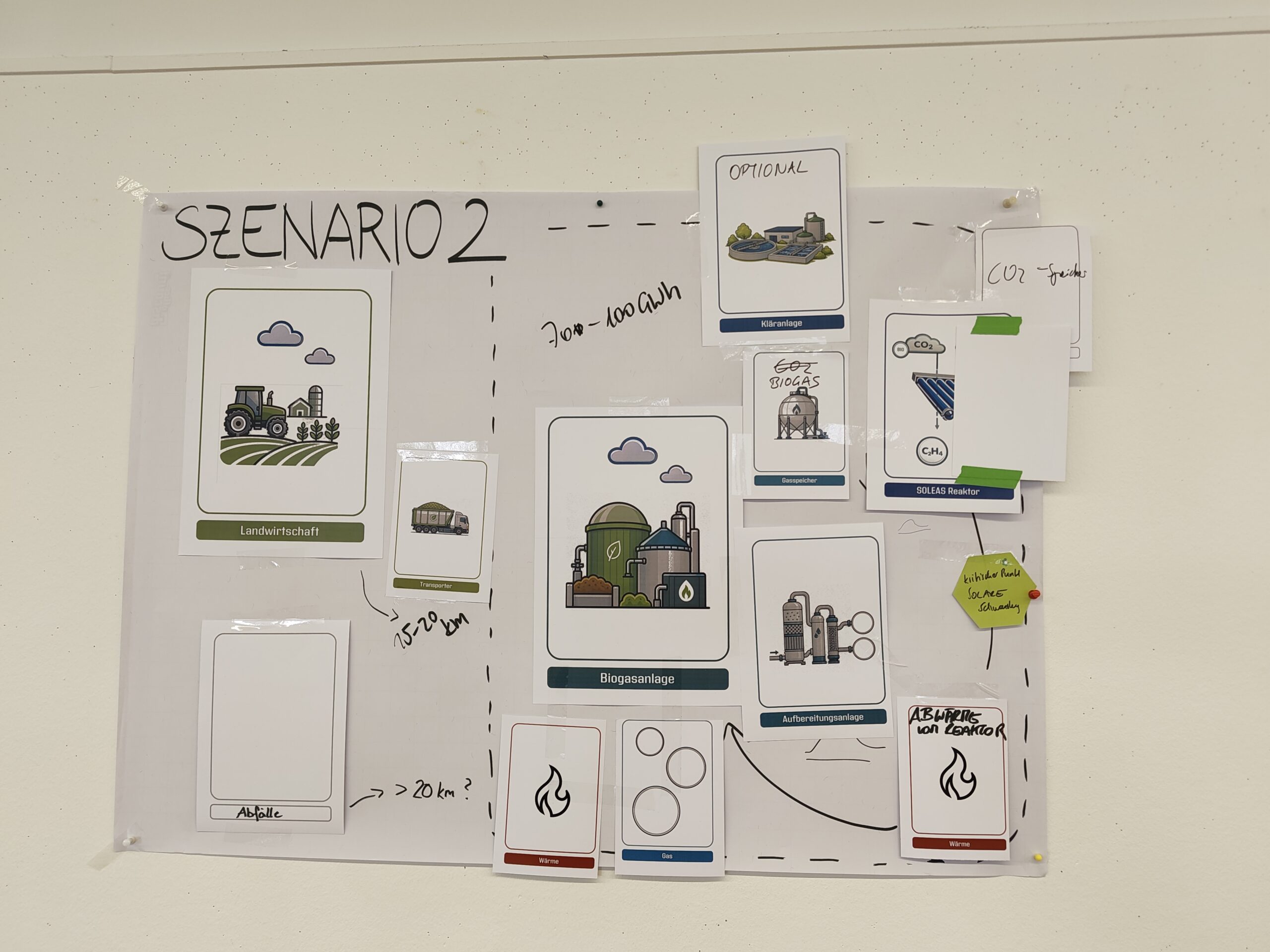
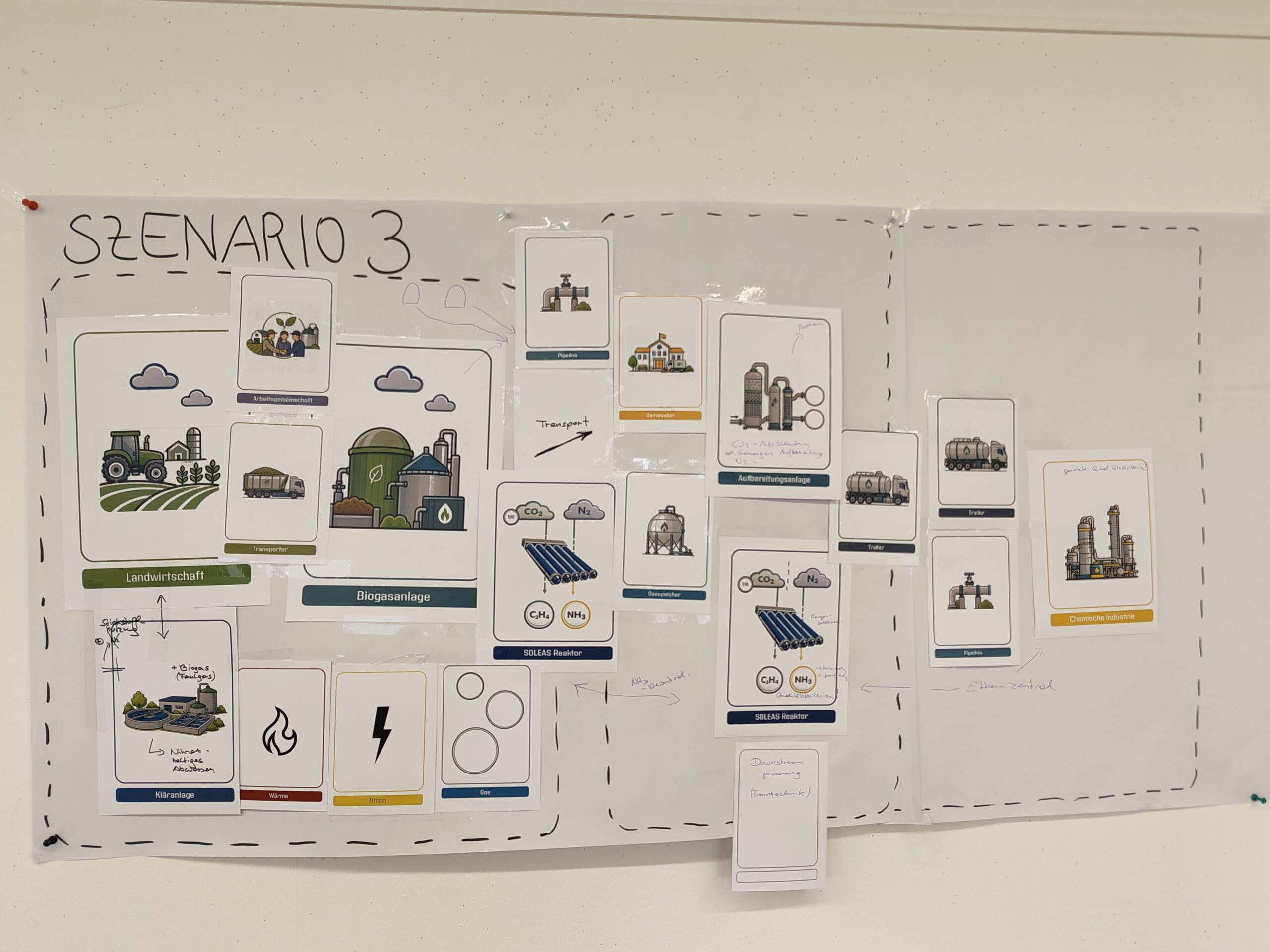
An interdisciplinary seminar and workshop was held as part of the SOLEAS research project (‘Project Coordination: AEE INTEC’) focusing on the future of regional raw materials and energy production.
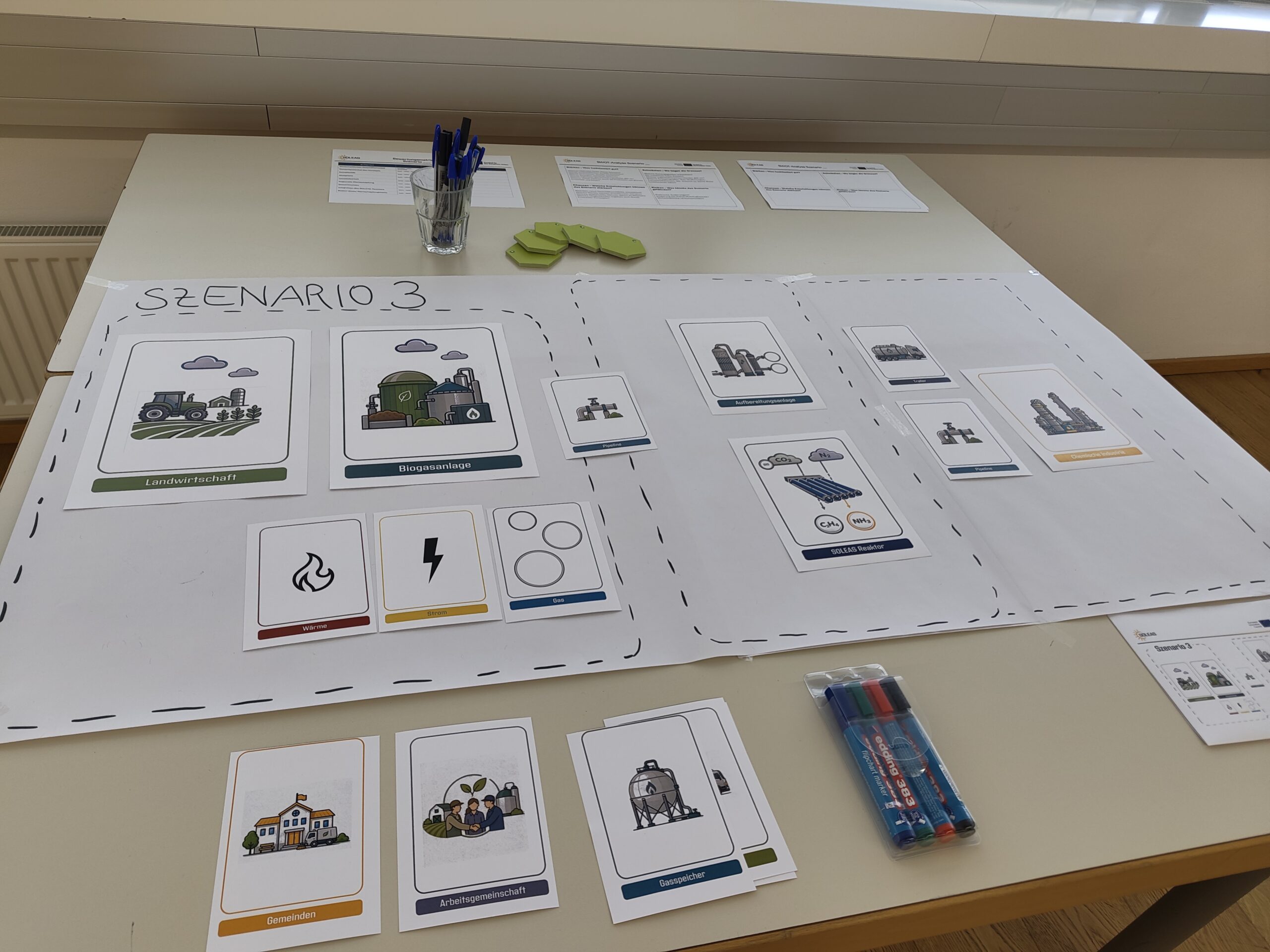
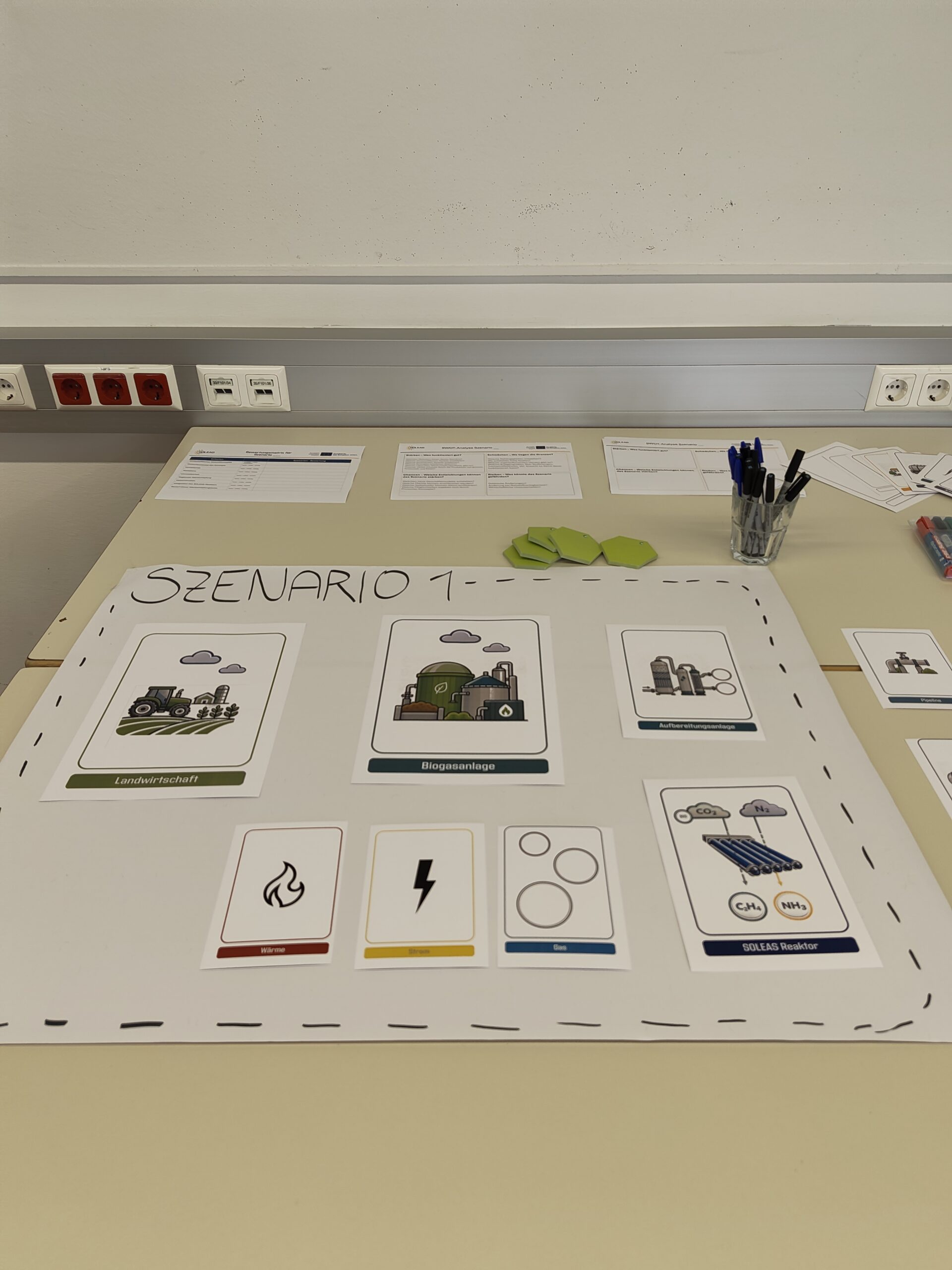
The focus was on exploring how agricultural businesses, biogas plants, and industrial companies can enhance their resilience, strengthen their independence, and diversify their economic activities through innovative decentralised prosumer models. These models combine the utilisation of biogenic residues with the decentralised production of energy, raw materials, and recyclable materials.
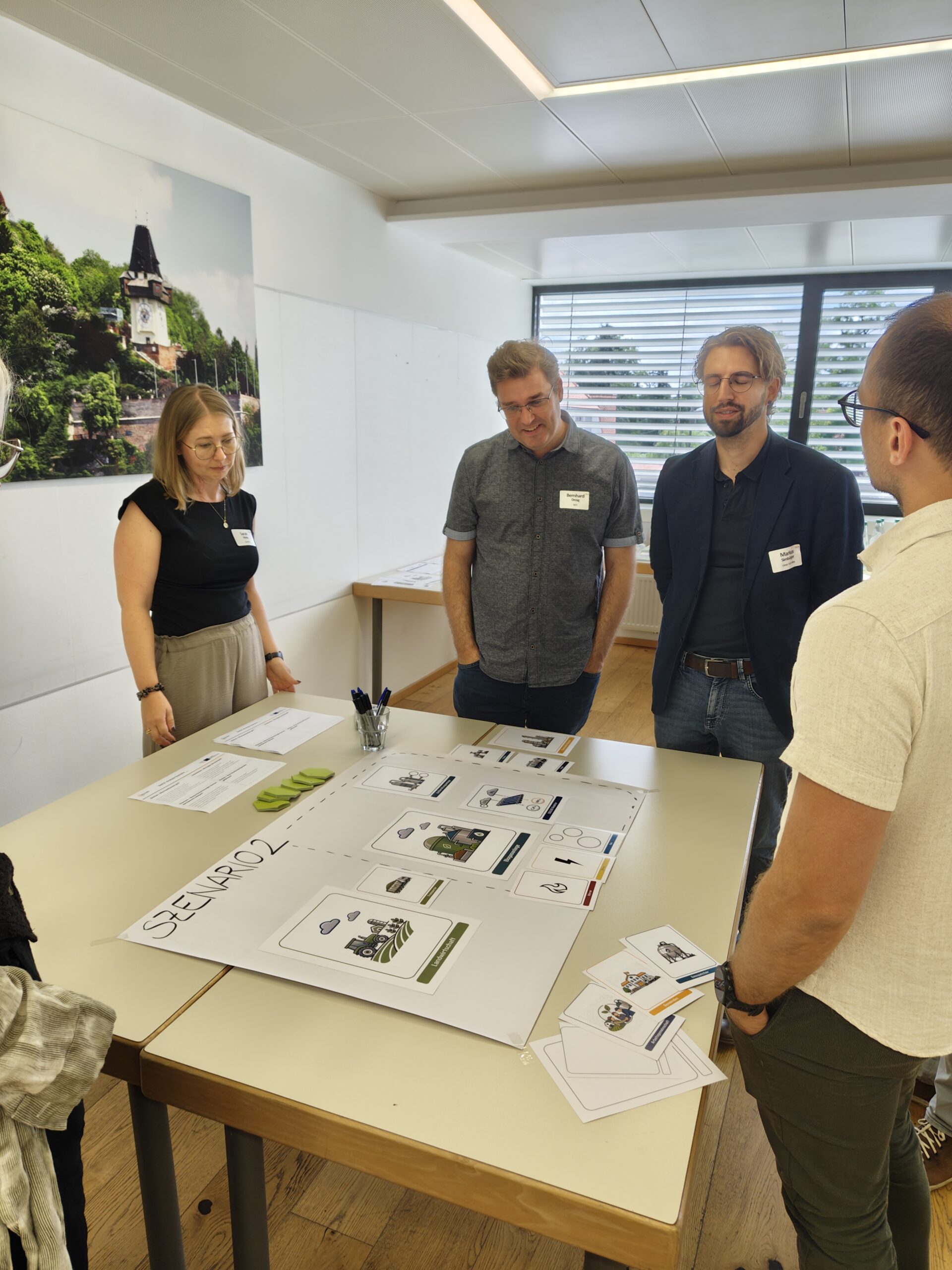
Biogas plants play a pivotal role in this transformation. Initial findings indicate that participants do not consider the future of biogas to lie in either a fully decentralised or a fully centralised system. Instead, they favour a balanced, hybrid approach that combines the strengths of both concepts, with a slight preference for decentralised on-site facilities. Highly centralised solutions are generally not regarded as the most promising model for the future.
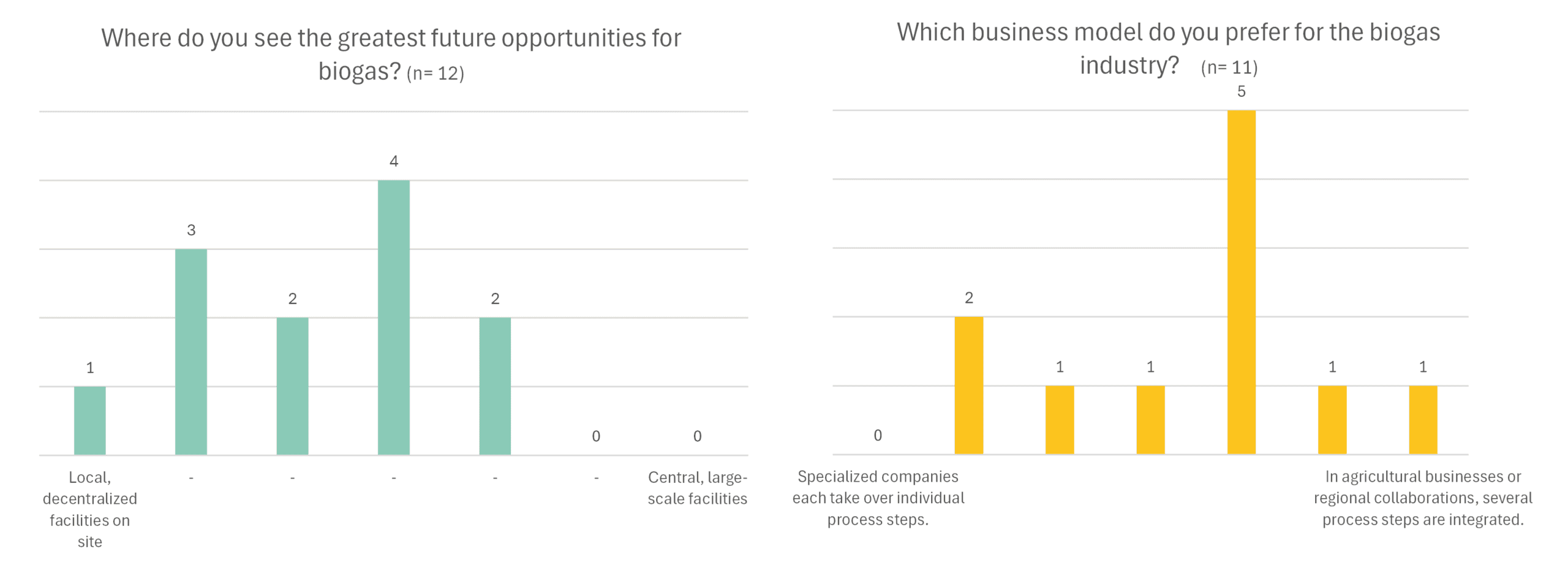
Another question focused on the preferred business model. While some participants clearly favoured business models with a moderate level of integration and a division of labour, and others considered a fully integrated value chain to be the optimal solution, the majority supported a balanced approach. Overall, the results indicate a broad consensus in favour of a hybrid business model that combines the advantages of both concepts
What are the three biggest challenges facing biogas plant operators?
Interpretation:
- The greatest challenge identified by operators is maintaining the economic viability of biogas plants.
- Beyond profitability, uncertainty surrounding political and regulatory frameworks, as well as future funding schemes, represents a major concern.
- Ensuring a reliable and long-term supply of suitable feedstocks is also perceived as a critical challenge.
Against this background, the integration of a solar reactor offers considerable potential, provided that it is effectively embedded within the existing value chain and aligned with future business models. The findings suggest that a prosumer model represents a promising approach, as the integration of a solar reactor broadens the product portfolio and creates new economic opportunities. At the same time, the security of feedstock supply for biogas plants may influence the successful implementation of the solar reactor, while supportive regulatory conditions and funding instruments remain key enabling factors.
The specific design of the integration concept and the corresponding prosumer model will be further developed in a dedicated work package over the coming months.
The initial results will be presented during a subsequent international online workshop on 22 September 2026. Further details, including the registration link, will be provided shortly.